Spider Web Graphics for Modern Editorial Design
The First Impression of Spider Web
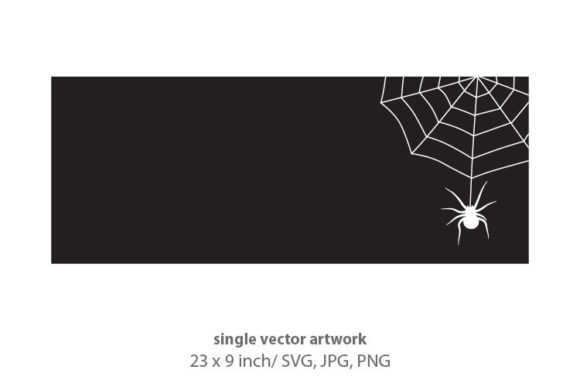
The Spider Web graphic immediately catches the eye with its intricate and elegant design. It exudes a sense of mystery and creativity, making it ideal for content that leans toward the artistic or educational. Its clean lines and structured pattern suggest a balance between modern design and traditional illustration, which makes it versatile for various editorial uses. The visual mood is both professional and playful, supporting niches like lifestyle, creative design, and digital marketing.
Spider Web in Real Publishing Workflows
As a seasoned blog designer, I’ve seen how the right graphic can elevate an entire piece of content. Spider Web fits seamlessly into a variety of publishing scenarios. From blog featured images to Pinterest pins, this graphic design asset offers a strong visual anchor that draws readers in. It works particularly well as a website header or category thumbnail, helping to establish a clear visual hierarchy and guide user navigation.
For digital guides and lead magnets, Spider Web adds a touch of sophistication without overwhelming the reader. It’s also perfect for social media graphics and Canva templates, where consistency in branding is key. Whether you're creating downloadable printables, printable design elements, or digital product assets, Spider Web brings a fresh and engaging look to your content.
How Spider Web Supports Content Performance
Using Spider Web in your content strategy can lead to stronger first impressions and increased engagement. Its unique pattern provides a memorable visual identity that enhances brand recognition. When placed strategically, it supports visual hierarchy by drawing attention to key sections of your content, such as article headers or newsletter headers.
Moreover, the graphic contributes to better click-through potential when used in Pinterest pins or social media graphics. A visually appealing image can significantly boost the performance of your affiliate marketing content or content marketing efforts. It also helps build trust with your audience by reinforcing a polished and professional look across your website and digital assets.
Where Spider Web Works Best
- Hero Images: Use Spider Web as a background or overlay for your homepage or landing page hero section.
- Article Thumbnails: Place it as a thumbnail for articles related to creative design, art, or digital marketing.
- Pinterest Pins: This graphic adds depth and interest to your Pinterest visuals, increasing engagement and clicks.
- Blog Graphics: Incorporate it into your blog posts as a decorative element or as part of a digital guide layout.
- Editorial Accents: Use it to highlight key sections in your editorial content, such as quotes or statistics.
- Downloadable Resources: Include Spider Web in your lead magnet or digital product to add value and enhance the user experience.
- Newsletter Headers: Make your newsletter more visually appealing by using Spider Web as a header design.
- Social Media Previews: Use it as a preview image for your social media posts to capture attention quickly.
Where to Use Spider Web Carefully
While Spider Web is a powerful graphic design asset, it's important to use it wisely. Avoid placing it on small mobile thumbnails where it might appear too busy or unclear. Similarly, be cautious about using it in text-heavy blog images or on low-contrast backgrounds, as it could reduce readability.
It may not be the best choice for serious professional niches or corporate content that requires a very minimal visual system. In such cases, a simpler design would be more appropriate. Always consider the context and purpose of your content before deciding where to place Spider Web.
Publisher Notes for Using Spider Web
Before incorporating Spider Web into your content, test it on both desktop and mobile screens to ensure it looks good across all devices. Preview it within a real blog layout to see how it interacts with your text and other design elements. Check contrast and readability, especially when paired with different font styles like serif, sans serif, script, or handwritten fonts.
Review the file size to ensure optimal web performance. Compress images properly to maintain quality while reducing load times. Lastly, confirm that you have a commercial license before using it on monetized websites, affiliate pages, or paid content products. This ensures you’re compliant with any usage rights and protects your brand integrity.
Final Thoughts on Spider Web
Spider Web is a versatile graphic design asset that can significantly enhance your editorial content, website branding, and digital publishing efforts. Whether you're working on blog graphics, Canva templates, or digital guides, this illustration offers a unique and effective way to elevate your visual communication. With careful application, it can support your brand identity and help your content stand out in a competitive digital landscape.